
Our Creative Hobby Discovery Guide: How to Find Something You Truly Love

[Image by Delia Pindaru’s Images from Canva.]
Maybe your days all look the same right now. You finish work, sit down, pick up your phone, scroll for a while, and suddenly the evening is gone. Or maybe now you have the time but no clear idea of what to do. If that sounds familiar, discovering your ideal creative hobby can break the pattern and bring something fresh into your routine.
Our creative hobby discovery guide will help you find a new hobby that fits your life, energy, and interests.
Why Creative Hobbies Matter More Than Ever
Creative hobbies are important because so much of modern life pulls you into passive habits. You may spend hours on screens, jump between notifications, or end the night watching TV, and still never feel truly satisfied. A creative hobby changes that. It gives you something active and rewarding to spend your free time on.
When you make something with your hands, your attention shifts. That kind of concentration can feel calming. It can also help you reset and reduce stress after a long day. Many people start a hobby because they want to pass the time, then stick with it because it gives them peace and mental clarity.
Creative hobbies also build confidence. Every finished project, even a small one, reminds you that you can learn and create something meaningful. That helps when you feel stuck in a routine or uncertain during a life change. One of the many benefits of creative hobbies is that they support self-esteem and create a stronger sense of well-being.
Not Creating and Burnout
When you don’t make time to create, it’s easy to slip into burnout. Your days can start to feel repetitive and disconnected. You consume content, but you don’t make anything of your own. Over time, that can leave you feeling restless without knowing why.
Passive habits don’t always give your mind the kind of rest you need. Scrolling can feel easy, but it rarely feels fulfilling. You may end the night feeling tired and unmotivated rather than refreshed. In some cases, too much passive screen time can raise stress levels and make it harder to improve mental health in a lasting way.
What Happens When You Start Creating
Once you begin creating, something shifts. You become more present, and you start noticing progress. You get small wins that build momentum. A hobby can also bring personal fulfillment because it gives you a creative outlet and a place for self-expression without pressure.
That’s why connecting with your creative side matters a lot. All the different types of hobbies out there can feel vast and endless, but here are some popular options: creative writing, watercolor painting, stitching, bag making, or building models.
How to Find the Right Hobby For You

[Image by wal_ 172619 from Canva.]
Finding the right hobby doesn’t have to feel overwhelming. The following steps can help you narrow your options and choose something that fits into your lifestyle and that you’ll actually want to keep doing.
Step 1: Revisit Your Past
Start by thinking back to what you enjoyed when you were younger. What did you gravitate toward as a child or teenager? Maybe you liked drawing, building things, decorating your space, making gifts, customizing objects, playing board games, or spending time with outdoor hobbies and team sports. Those early interests can point you toward the kind of creativity that still fits you now.
Step 2: Follow Curiosity
Pay attention to what catches your eye now. Do you stop to look at handmade home decor, engraved gifts, painted glass, leather accessories, or craft videos? Maybe you feel pulled toward home improvement projects, home brewing, cooking classes, or learning a new language. Curiosity is a great driving force. Even if you aren’t sure if you will be good at something, being interested in it is a strong clue.
You don’t need a hobby that sounds impressive or is incredibly expensive. You need one that makes you think, “That looks fun. I want to try that.” Curiosity often points toward new interests, language learning, or a fun hobby you never expected to enjoy.
Step 3: Try Before You Commit
A lot of people quit before they even start because they assume they need a huge commitment. But the truth is, you don’t. Treat the early stage like sampling. Try one small project. Spend one evening on it. Permit yourself to experiment.
This is where guided kits can help. They remove the pressure of figuring everything out from scratch and let you focus on the fun part: making something. If you want a hobby that feels possible from day one, a project-based crafting kit is often easier than buying separate tools and hoping they all work together.
You can also test simple hobby ideas like crafting, crossword puzzles, jigsaw puzzles, cross-stitch, or candle making before committing to one path. Trying other hobbies in small ways makes it easier to spot a great hobby when you find it.
Step 4: Focus on Hands-On Activities
If you spend most of your day looking at a screen, hands-on hobbies can feel rewarding. They give you a real break from digital noise and let you engage with physical materials. You can see your progress, hold your finished project, and enjoy that wonderful feeling of accomplishment.
That is why hobbies like engraving, leather crafting, painting, model building, and DIY decor can feel so satisfying. They are active, tactile, and grounded.
Step 5: Start Small
Don’t choose a hobby based on what sounds most ambitious. Choose one that feels easy to begin. Starting small makes it more likely that you will stick with it. A first project should feel manageable, not intimidating.
That might mean beginning with a personalized keychain, a simple bottle lamp design, or a beginner leather wallet instead of a major project. Small wins create momentum. Momentum turns interest into a habit.
Creative hobby discovery becomes much easier when you stop looking for the perfect answer and start testing what sparks something in you.
Creative Hobby Ideas to Spark Your Interest
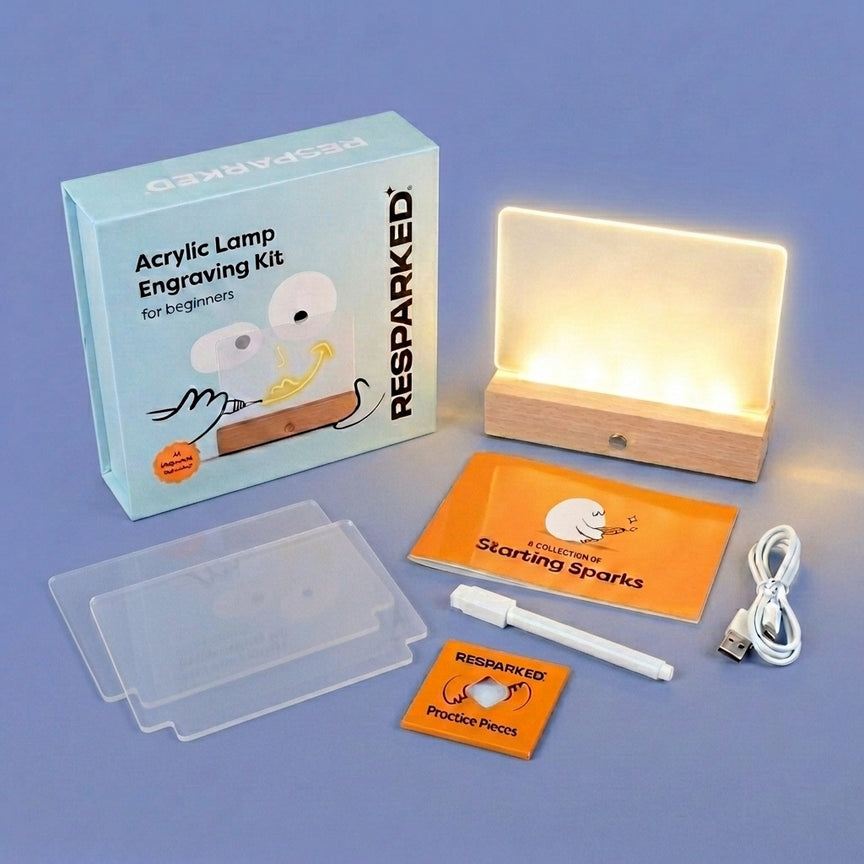
If you’re unsure where to begin, it helps to look at hobbies by the kind of experience they offer. Some help you work with your hands. Some help you relax. Others leave you with something useful or giftable at the end.
Hands-On Creative Hobbies
Engraving
Hands-on hobbies are a great fit if you want to spend more time making something real. Engraving is a good example because it lets you personalize everyday materials such as bamboo, acrylic, aluminum, and wood. You can start with simple patterns, names, or guided stencil designs, then work toward more detailed projects with intricate designs.
A beginner-friendly option is the Customizer Engraving Kit, which gives you a full creative experience. It includes:
- Materials for practice
- Multiple bits for different surfaces
- Themed stencils
- Project add-ons like magnets and keychains
- And more!
This makes it easier to try ideas without feeling overwhelmed and helps you create personalized gifts that feel thoughtful and unique.
Leather Crafting
Leather crafting is another satisfying hobby. You’re not just making something pretty. You’re building something you can use. The leather wallet kit is a simple place to start if you want a finished project that feels practical and rewarding.
It comes with everything you need to craft your first leather wallet, including:
- Wallet leather pieces
- Leather needles
- Waxed thread
- Needle holder
- Silicone thimbles
- Leather holding clips
- Stitch scissors
- Threader
- Step-by-step instruction guide
- Metal storage tin
It develops a rich patina over time, which gives it a unique, natural texture.
Painting
Painting is also a strong choice if you like color and creative freedom. It can be expressive without requiring advanced skill. The process itself can be calming. For some people, hands-on creative hobbies are more appealing than social hobbies because they offer quiet focus. For others, they become great group activities when shared with friends or family.
Relaxing Creative Hobbies
Some hobbies work best when you need a quiet reset.
Journaling
Journaling gives you a place to reflect, sketch, plan, or simply slow down. It’s good for people who suffer from anxiety and would like to get all their thoughts out on paper.
Bullet journaling, in particular, is a fantastic option for people who like to organize their ideas visually, with endless tutorials and inspiration online.
Knitting and Stitching
Knitting, crocheting, embroidery, and cross-stitch can also feel comforting because of their rhythm and repetition.
These hobbies are useful when your mind feels busy, and you want something steady. They may not produce fast results, but many people love them because the process is soothing. Creative writing, crossword puzzles, and jigsaw puzzles also fit here, especially when you want a calm way to spend time and reconnect with yourself.
Functional Creative Hobbies
Functional hobbies are ideal if you want your creativity to lead to something you can display, gift, or use in everyday life.
Home Decor Projects
Something like a glass bottle lamp is a great example of a home decor project because it blends art with atmosphere. You get to paint and decorate a glass bottle, then turn it into a cozy light piece for your space.
With this kid, you get:
- One glass bottle (750ml)
- Three brushes
- Seven glass paints: red, yellow, blue, green, black, white, and gold
- USB rechargeable LED cork
- stencil set
- practice material
- step-by-step instructions
Gifts and Accessories
If you enjoy making gifts or accessories, leather projects are also worth trying. For example, a crossbody bag kit will make a wonderful gift for a loved one once you’ve completed it. They come in both black and brown options, which each develop a rich patina over time.
You can also find ideas in our guide to the best gifts for creative people, especially if you enjoy making thoughtful, handmade pieces.
Others
Other functional creative hobbies include cooking classes, home improvement projects, and even home brewing. These can introduce you to different cultures and practical skills that fit naturally into everyday life.
When looking at hobby ideas, ask yourself one simple question: do I want to relax, make something practical, or get fully absorbed in a tactile project? That answer can guide you toward.
How to Start a Creative Hobby (Even If You Have Zero Experience)
Starting is often the hardest part, especially when you feel inexperienced. The good news is that you don’t need a creative background to begin. You just need a low-pressure way in.
Keep It Simple
Your first hobby should not feel like homework. Pick something with a clear starting point and a realistic finish line. If you try to do too much too soon, you may get frustrated and quit before you have a chance to enjoy it.
A simple project gives you room to learn. It also helps you build confidence quickly. A finished beginner project is far more motivating than an unfinished ambitious one.
Use Beginner-Friendly Tools
The right tools can make a huge difference. When supplies are confusing or incomplete, your hobby feels harder than it should. Beginner-friendly kits help you spend more time creating and less time wondering what to do next.
If you want a new, easy hobby that feels creative without being complicated, the customizer engraving pen is a strong place to begin. It’s made for anyone, includes practice materials, and works across multiple surfaces. That means you can try simple personalized projects right away and grow your new skills over time. It’s an easy way to reignite creativity when you want cool results without a long learning curve.
Follow Guided Projects
Guided projects are useful because they give structure without taking away your creativity. You still choose the style, details, and final look, but you are not left guessing about every step. That matters when you are nervous about getting started.
Look for hobbies that let you complete a full project early on. Finishing something creates momentum. It reminds you that this is something you can do.
You also don’t need hours of free time. Many people assume hobbies require long weekends or huge blocks of time in the evening. In reality, a short session is enough to get started. Even twenty minutes can move a project forward and make your day feel different.
Turning Your Hobby Into a Daily Creative Habit

[Image by Dragos Condrea from Canva.]
Once you have started, the next challenge is making your hobby part of your life.
Make Time Without Pressure
You don’t need to work on your hobby every day for an hour. That kind of pressure can take the fun out of it. Start by giving yourself small windows. Ten minutes after dinner. Twenty minutes on a quiet weekend morning. A short session before you pick up your phone at night.
Consistency matters more than intensity. A hobby grows when it becomes something you naturally reach for, not something you keep postponing because it feels too big.
Create a Creative Space
Your space doesn’t need to be perfect. A corner of the table, a storage box with your supplies, or a small tray you can bring out when you have time is enough. The point is to make your hobby visible and easy to access, so continuing with it becomes a breeze.
Track Progress
Progress keeps motivation alive. Take photos of finished pieces. Save your first attempts instead of throwing them away. Write down ideas for future projects. These small habits help you see how far you have come.
This matters when you hit a low-energy patch and start telling yourself that you aren’t making enough progress. Looking back at what you have created is a reminder that you are building something real.
A hobby becomes part of your identity through repetition. You don’t have to call yourself an artist or a maker on day one. Keep showing up, and that identity will start to feel natural. Over time, you also create lasting memories through the pieces you make and the time you spend learning.
What’s Holding You Back From Starting?
A lot of people want a creative hobby, but something stops them before they begin. It’s usually not laziness. It’s doubt, pressure, or the feeling that they need to get it right straight away.
“I’m Not Creative” Myth
One of the biggest blocks is the belief that creativity belongs to other people. You might think it is for artists, designers, or people who have always been naturally talented. That’s not true.
Creativity is a skill, not a personality type, and it grows when you use it. You don’t have to start with a big idea or a polished result. You start with curiosity, then build from there. Someone who engraves a simple design, paints a first glass bottle, or stitches their first wallet is already being creative. The same goes for someone trying graphic design, learning a musical instrument, picking up that paintbrush, or deciding to start writing for the first time.
Fear of Being Bad
Another common barrier is fear. What if your first attempt looks awkward? What if it doesn’t match the image you had in your head? What if you waste your time?
The truth is that beginners almost always start messily. That’s normal. The early stage is where you learn what you enjoy, what feels natural, and what you want to keep trying. You don’t need perfect results to have a good experience, nor do you need existing skills to begin exploring potential hobbies.
Overthinking & Perfectionism
Sometimes the problem is too much planning. You research hobby ideas, compare tools, watch videos, save inspiration, or watch tutorials on a YouTube channel, and still never begin. When that happens, the search for the right hobby becomes another form of procrastination.
Action works better than perfection. You learn more from one small project than from hours of thinking about one. Instead of asking, “What is the ideal hobby for me forever?” ask, “What feels interesting enough to try this week?” That question is easier to answer, and it gets you moving.
If you have been waiting until you feel more confident or prepared, this is your reminder: starting small is enough. It’s a great idea to stop overthinking and simply begin.
How to Stay Inspired When Motivation Fades

Every hobby feels exciting at first. Then the energy drops, or a project doesn’t turn out the way you hoped. That doesn’t mean you picked the wrong hobby. It just means you are in the normal middle stage.
Switch Projects
If you feel bored, don’t force the same type of project over and over. Change the scale, material, or goal. Move from a practical item to a decorative one. Try personalizing a gift instead of making something for yourself. A small change can bring your interest back.
Join Communities
Creativity is easier to sustain when you feel connected. Seeing what other beginners are making can be encouraging. It reminds you that nobody starts perfect. A supportive community also gives you ideas for what to try next and helps creativity feel shared rather than lonely.
This is where social interaction can make a real difference. Social hobbies, group activities, and time spent with like-minded individuals can help you stay motivated. Even something simple like sharing progress photos or swapping ideas can inspire when your energy dips.
Celebrate Small Wins
Don’t wait to finish a masterpiece before you feel proud. Finishing a first practice piece counts. Trying a new tool counts. Making time for twenty minutes counts. When you notice those wins, you stay more motivated to continue.
Inspiration is not something you either have or don't. It often comes after you begin, not before.
FAQs
How Do I Discover a Creative Hobby?
Start with what already interests you. Think about what you enjoy looking at, making, or giving as gifts. Then try one small project instead of overthinking the whole decision. Finding a new hobby works best when you test ideas in real life rather than waiting for total certainty.
What are the Best Creative Hobbies for Beginners?
The best beginner hobbies are simple and easy to start without a huge learning curve. Engraving, journaling, painted decor, and beginner leather projects all work well because they give you a clear project and a satisfying result.
What If I Am Not Naturally Creative?
You don’t need to be naturally creative to enjoy a hobby. Creativity grows through practice. You become more confident and expressive as you experiment. Starting small is often the fastest way to prove to yourself that you can create something meaningful.
How Much Time Do I Need for a Hobby?
Less than you think! Ten to twenty minutes a few times a week can be enough to learn a skill, finish small projects, and keep your creativity active.
What are Good Hobbies for Reducing Screen Time?
Hands-on hobbies are useful if you want to step away from screens. Engraving, leather crafting, painting, knitting, and DIY home decor all give you something physical to focus on. They help you replace passive scrolling with active making.
How Do I Stop Quitting Hobbies Quickly?
Choose a hobby that feels manageable from the start. Begin with simple projects, keep your supplies accessible, and focus on enjoying the process rather than being impressive. Quitting often happens when you make the hobby feel too difficult early.
What Tools Do I Need to Start?
That depends on the hobby, but beginner-friendly tools are always the best choice. Look for options that include practice materials and enough flexibility to keep experimenting. That makes it easier to build confidence without feeling overwhelmed.
Can a Creative Hobby Really Help With Stress Relief?
Yes. Creative hobbies can help you slow down, focus on one task at a time, and shift your mind away from constant demands. They also give you a sense of progress and accomplishment, which helps support your mental well-being.
Conclusion
To enjoy a creative hobby, all you need is curiosity, a simple starting point, and the willingness to try. A good hobby can help you spend less time on screens and feel more connected to your own creativity. It can be relaxing and expressive, but the important thing is to start small and keep it fun.
If you are ready to try something fun, Resparked has beginner-friendly tools designed to make the process simple and inspiring. There’s a lot you can try out, from engraving projects to leather kits and home decor crafts. Pick one project, give yourself room to learn, don’t give up, and ignite your creativity one step at a time.

